Optimize Health
After nearly two years away from healthcare, coming back to Optimize felt like a breath of fresh air. I'd learned a lot in the QSR world, but complex, high-stakes problems were where I actually wanted to be.

The patient list — the spine of the product we rebuilt.
We started at ground zero. The working POC that users were currently using was no longer cutting it — it was time to grow into the product people were envisioning. Within a year, my fellow designer and I had built out a complex patient record and communication tool, organization management, tasking, and a full billing reporting solution — essentially, the product, from the ground up. Alongside the high-fidelity mocks and prototypes, we ran research through Userlytics and kept a regular cadence of sessions with internal users, our CS team, and clients themselves.
I also built and managed an in-depth Figma component library — not a coded one, but a system that made sure the patterns we designed stayed consistent and carried through cleanly to code. We'd occasionally direct a third-party design firm when we needed extra hands, giving them the documentation to work within our existing patterns.
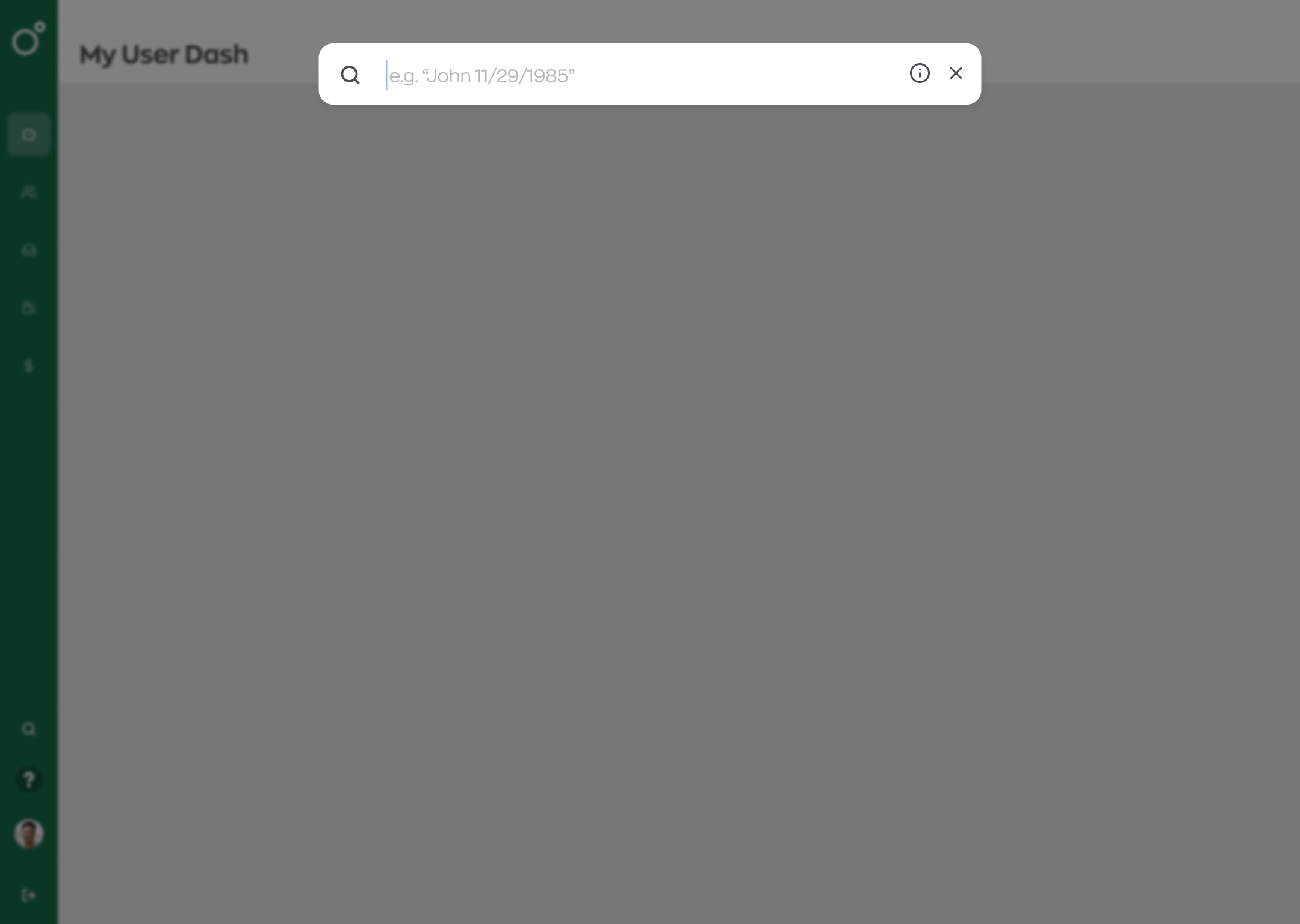
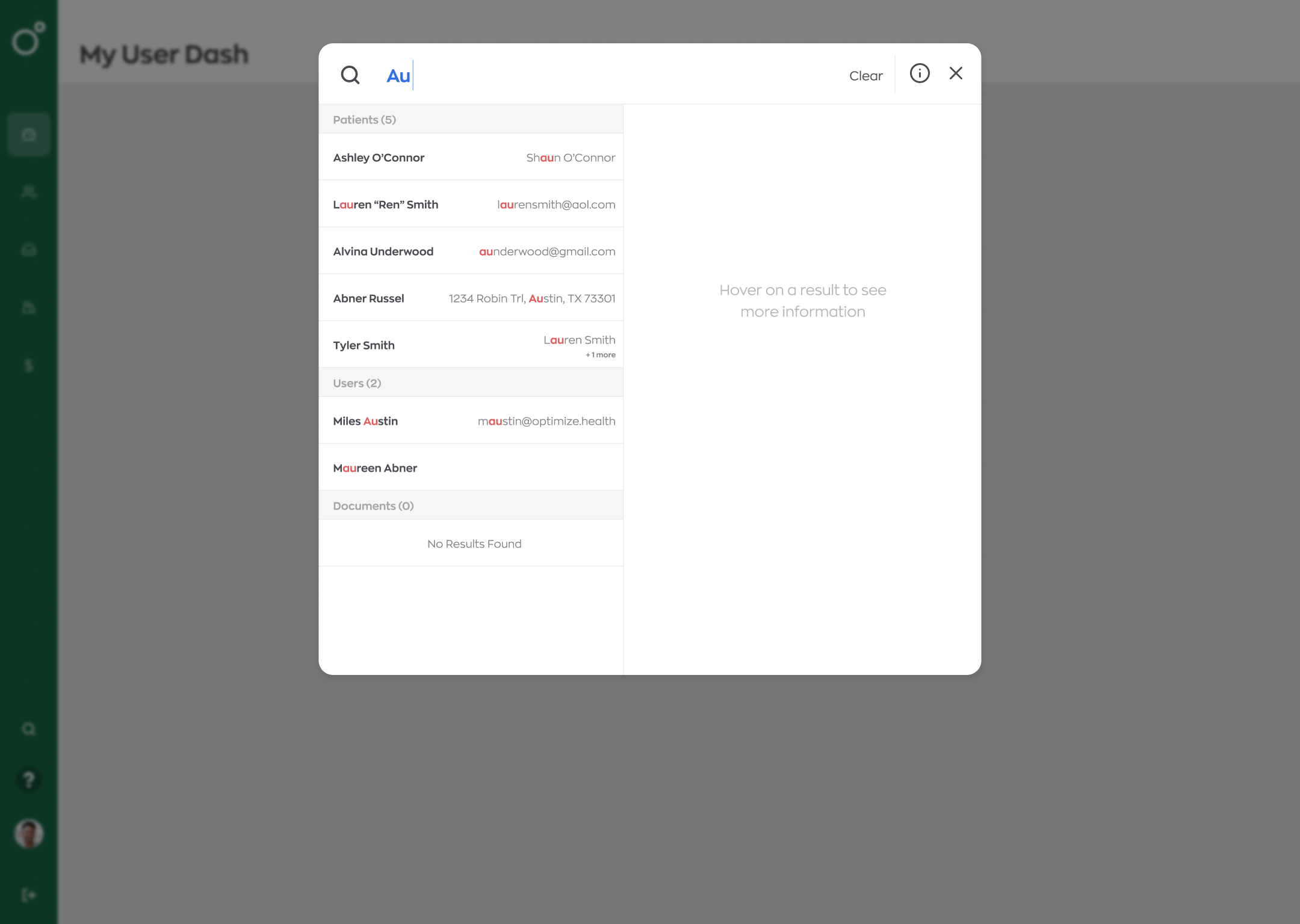
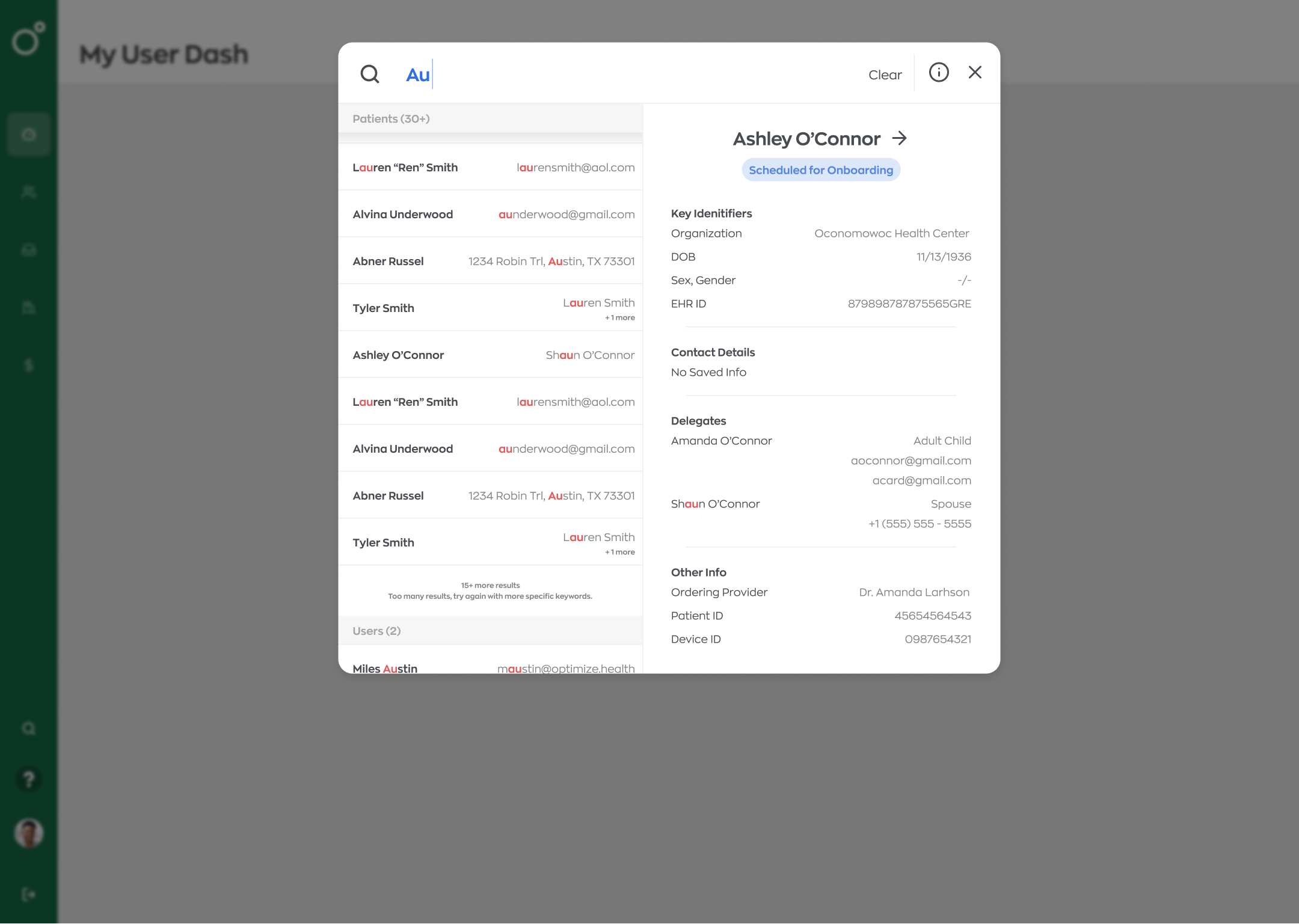
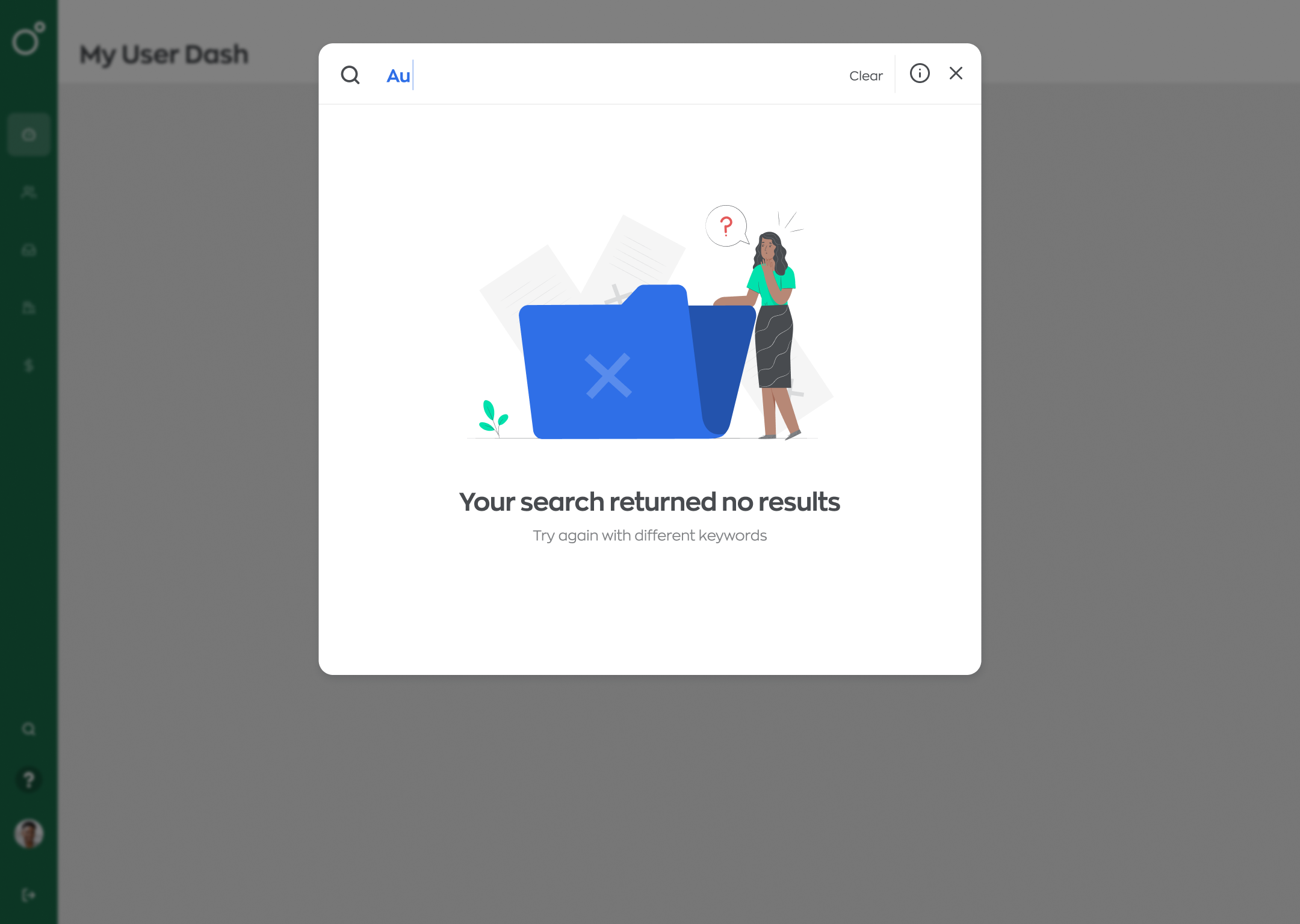
Designing every state, not just the happy one
Patient search had to hold up when a name returned nothing, returned too much, or returned one exact match mid-call. Four states, one pattern.
Around the same time I joined, so did a designer just making the shift into UX — her background was in user analytics. Over the two years we worked together, I mentored her through everything from design patterns and process to component creation and problem solving, with a real focus on strengthening her relationship with engineering: understanding their constraints and requests, and finding solutions that worked for everyone.